Not all cotton is the same
There are many different types of cotton, each with its own characteristics.
Pima cotton. Considered the finest type of cotton in the world, pima cotton’s fibers are extra soft and extra long. The cotton is native to South America and the American Southwest. Pima cotton fabric is very highly-sought after, as it is resistant to fading, tearing, and wrinkling.
Egyptian cotton. Egyption cotton is very similar to pima cotton. The two are even in the same scientific class: gossypium barbadense. It has the same resistant qualities, but it is grown in the Nile River Valley in Egypt.
Upland cotton. Upland cotton has very short fibers and makes up about 90% of the world’s total cotton production. The crop is native to and grown in Central America, Mexico, the Caribbean, and southern Florida.
Peruvian cotton, native cotton (in various types of Gossypium genus) grows along the Peruvian coast and southern Ecuador. It comes in a variety of colors such as white, cream, beige, brown and reddish brown, green, yellow and lilac. This is caused by enzymes in the fibers.
Kala cotton. Kala Cotton is one of the few genetically pure cotton species remaining in India, and one of the only species of pure, old world cottons
Important to know:
Cotton has low affinity to mordants or most natural dyes. Cotton has great affinity with tannins and proteins. Cotton also has good durability in highly acid or alkaline environments.
To get good botanical prints on cotton we need to prep the fabric well by scouring if needed, wetting out with plenty of time in the water and mordanting like a pro!
Scouring cotton:
New, store bought industrial cotton, should always be scoured to remove wax, spinning oils and other impurities unless it is marked PFD.
For scouring cellulose you will need soda ash and dish washing detergent. Dish washing detergent is a very economical and readily available resource for cleaning fabrics and it functions as a wetting agent.
Usually a good ratio is 1:10 so if you have 500 grams of fabrics you need 50 grams of soda ash and 50 grams of dish washing detergent.
Dissolve the cleaning agents in plenty of water. Add fabrics. and top up with water to cover. Bring this all to a boil. and stir regularly for about an hour. Let cool for 30 minutes and rinse the fabric. If the water is *very* brown you may have to do another cycle.
You can scour this way also by using the washing machine on a long cycle at 90ºC
Handwoven organic fabrics I usually just give a delicate hand wash with dish washing detergent.
Using soy as pre treatment for cotton (sizing)
This is not a must, but optional for working with cotton.
By using protein rich soy as a sizing/binder on cotton we can get better colours. The soy bean protein in the milk coats the cellulose fibers which makes them act more like protein fibers. Soy can not be classified as a mordant because there is no chemical bond here but it will allow for even coverage of dyes, and to help the pigments get a better grip on the fabric.
Do not use soy milk that starts to smell or curdle. When that happens you should throw it away and make a fresh batch.
You can store soy sized, dry fabrics for two weeks after curing
Method 1 using a soy binder/sizing for cotton with bought soy milk
This is how I do it:
- Add 500 ml of store bought soy milk to a non reactive cooking pot or clean bucket,
- Dilute with 2.5 litres of tap water; this makes a binder solution at a ratio of 1:5
- Add pre wetted, scoured if needed, cotton and work it in the solution.
- Leave in a cool place to soak for at least 24 hours.
Making your own soy binder from scratch:
A cheap and easy alternative for store bought soy milk.
One cup of dry beans = two cups of soaked beans. This should make enough soy milk for around 6 meters of cotton that is 150 cm wide.
You can choose to pre-soak 5 cups of soy beans, and store what you do not need immediately in the freezer in zip lock bags.
- Put one cup of soy beans in a bucket and cover them with four cups of water. Allow to double in size, that should take around 12 hours.
- Once the beans are fully soaked drain off the soak water and rinse them briefly.
- Blend the soaked beans in a blender with four cups of fresh water. Blend on high for about two minutes.
- Strain the milk through a cloth into a bucket and repeat the process up to three times until the liquid in the bucket gets a regular milk consistency.
- Add pre wetted, scoured if needed, cotton and work it in the solution.
- Leave in a cool place to soak for at least 24 hours.
Processing soy binder treated fabric
After 24 hours of soaking, remove the fabric and put it in the washing machine for a quick spin cycle
Hang the fabric to dry.
Repeat this soaking, spinning and drying three times to build up.
Soy milk becomes permanent through curing In a very warm and dry environment, this may be as short as a week but can easily be longer.
The best mordants for cotton are always combined mordants that are either alkaline or acidic. Regular alum has very little affinity with cellulose fibers so it will not combine well.
For these recipes we will combine home-made aluminium acetate or store bought aluminium triformate with ferrous sulfate for the best definition in botanical print.
Combining these two in the correct order keeps crisp white backgrounds. If we would mordant with two separate mordants the fabric would get the buff shade of regular ferrous sulfate mordant.
I know there are people out there who use lime for making these mordants and I want to let you know lime is horrible stuff, it gets in your lungs and it is very aggressive. There is no need for it, you can use these recipes that are made using soda ash and they are just as good and safer for you to use and store.
What you will need:
- a digital scale or digital scale spoon
- A large, clean bucket.
- Two medium sized containers
- Aluminium triformate and/or regular alum
- Ferrous sulfate
- Soda Ash (sodium carbonate)
- Vinegar
Bath Ratio aka Liquor Ratio: how much water in relation to fabric?
(the ratio of the weight of the dry material being dyed to the water weight of the dye bath)
As we take so much care sun preparing a mordant bath the question is often asked: how much water do I need to use?
That question is tricky as it depends on a multitude of factors.
The traditional dye schools will tell you to use 4 liters of water for each 100 grams of fabric, a ratio of 1:40.
In practice, bath ratio can vary between 1:10 (small bath ratio) to 1:30 for large bath ratio,
Large bath ratios are often used in laboratory samples. Small bath ratio can be used in production, with less liquid and water saving. The amount of work you are willing to put in turning and working the fabric will also enable you to reduce the water used.
If the bath ratio is too large, the amount of water is too large, especially when dyeing with natural dyes etc. Although the concentration in the mordant or dye bath does not change much, the total amount of material remaining in the water is more, resulting in less mordant or dye on the fabric.
If the bath ratio is too small, the mordant water may not be able to reach all the creases and uneven coverage is the result. I have seen this first hand with stripes and blotchy dye samples.
In practice: while a large pot makes it easier to work, you also have to lift that huge pot filled with water! Find a size that works well for you and take good care of your back.
Aluminium triformate and ferrous sulfate cold mordant for cotton
Ingredients:
Aluminium triformate , ferrous sulfate, water
- Weigh the dry fabric and note the weight.
- Wet the fabric in a separate bucket with clean water until further use.
- Calculate 10% WOF aluminium triformate.
- In a large bucket dissolve the aluminium triformate with warm (never hot) tap water.
- Stir well until there are no more bits and lumps.
- Calculate 1.5% WOF ferrous sulfate.
- Dissolve with hot water in a small container only used for natural dyeing (I have dedicated containers and buckets I only use with ferrous sulfate).
The ferrous sulfate step
- Add the ferrous sulfate water to the aluminium triformate water.
- Top up with enough cold water to cover your fabrics (gauge).
- Take your fabrics from the regular water and squeeze well to remove excess water.
- Add to the mordant water and work well for at least 5 minutes.
Let the fabric sit in the mordant for minimum 7 hours or overnight. Stir every now and then for even coverage.
Remove fabric from the mordant, rinse briefly with clear tap water, squeeze dry very well and continue to the botanical printing stage.
Home-made aluminium tri acetate and ferrous sulfate mordant for cotton
Important: this process will foam a lot and needs to be done in an oversized bucket or stainless steel dye pot. Never ever use aluminium pots for recipes containing soda ash.
Ingredients:
Alum, soda ash, vinegar, ferrous sulfate, water.
First make aluminium acetate:
- Calculate 20% WOF alum
- Dissolve in HOT water, then add one liter of cold water
- Calculate 150% acetic acid (vinegar 5% which is regular household vinegar) (liquid according to weight) and combine with the alum water.(in metric weight, vinegar is the same in weight as in volume, so if you would need 500 grams of vinegar that’s half a liter) (another way to calculate this is 15cl per 10ogr WOF, so 200 grams of dry fabric will need 30 cl = 300 ml of vinegar for the mordant)
- Calculate 10% WOF soda ash
- Dissolve in hot water in a separate container
- Add the soda ash solution to the alum and vinegar solution, it will bubble violently! Stir and keep stirring until the bubbling stops.
Adding the ferrous sulfate
- Calculate 1.5% WOF ferrous sulfate, dissolve in half a cup of hot water in a dedicated container, make sure there are no bits undissolved.
- Add the ferrous sulfate water to the aluminium acetate and stir well.
- Add more warm (around 50ºC) water to create enough solution for your fabric to float.
Let your pre-wetted fabric sit in this solution for at least 1.5 hours. Stir well in between.
Remove fabric from the mordant, rinse briefly with clear tap water, squeeze dry very well and continue to the botanical printing stage.
Alum soda ash and ferrous sulfate mordant for cotton
A very easy and efficient aluminium based mordant with soda ash.
Important: this process will foam a lot and needs to be done in an oversized bucket or stainless steel dye pot. Never ever use aluminium pots for recipes containing soda ash.
- Calculate 20% WOF alum
- Dissolve in HOT water, then add one liter of cold water
- Calculate 1.5% WOF soda ash
- Dissolve in hot water in a separate container, then add one liter of cold water.
- Add the soda ash solution to the alum solution, it will bubble violently! Stir and keep stirring until the bubbling stops.
- Adding the ferrous sulfate
- Calculate 1.5% WOF ferrous sulfate, dissolve in half a cup of hot water in a dedicated container, make sure there are no bits undissolved.
- Add the ferrous sulfate water to the aluminium acetate and stir well.
- Add more warm (around 50ºC) water to create enough solution for your fabric to float.
Let your pre-wetted fabric sit in this solution for at least 1.5 hours. Stir well in between.
Remove fabric from the mordant, rinse briefly with clear tap water, squeeze dry very well and continue to the botanical printing stage.
The Magic Mordant for cotton
What is magic about this mordant is that it will react with different elements of your leaves. The aluminium triformate react with the yellow flavonoids and green chlorophyl, the ferrous sulfate gives gray and black with tannins, the copper sulfate brings out golden browns.
- Calculate 10% WOF aluminium triformate
- Dissolve in tepid water.
- Adding the ferrous sulfate
- Calculate 1.5% WOF ferrous sulfate, dissolve in half a cup of hot water in a dedicated container, make sure there are no bits undissolved.
- Add the ferrous sulfate water to the aluminium triformate and stir well.
- adding copper sulfate.
- Calculate 5% WOF Copper Sulfate, dissolve in half a cup of hot water in a dedicated container, make sure there are no bits undissolved.
- Add more warm (around 30ºC) water to create enough solution for your fabric to float.
Let your pre-wetted fabric sit in this solution for at least 1.5 hours. Stir well in between.
Remove fabric from the mordant, rinse briefly with clear tap water, squeeze dry very well and continue to the botanical printing stage.
You can re-use this mordant another time with the same amount of cotton, this time let your fabric sit for at least 7 hours.
Some will say it is an essential part after mordanting, I personally do not always take the time to do it.
“Dunging” was original done with cow manure in water. The phosphates and minerals in the poop would help remove unattached mordants from the fabric.
Today we dung using chalk or bran, or both. Remember that this is an option, I recommend doing a side by side to check if you feel the work is worth the difference.
The chalk, which is mildly alkaline, neutralizes the acid mordanted fabrics
Chalk Dung Bath
Ingredients:
10 liters of water
50 grams of chalk
How-to
Dissolve the chalk in the water, give it a good stir.
Soak the mordanted fabrics in the chalk water for two minutes.
Squeeze excess water back in the bucket.
Rinse.
Proceed to use or dry.
Make chalk dung baths in a bucket with a lid and discard after a week.
Bran Dung Bath
(wheat bran is easily available in the supermarket by the kilo)
Ingredients;
10 liters of water
100 grams of wheat bran
How-to
Soak the wheat bran in the water for about 30 minutes to start enzymic hydrolization.
Soak. the mordanted fabrics in the bran water for 10 minutes.
Squeeze excess water back in the bucket.
Rinse
Proceed to use or dry.
Make bran dung baths in a bucket with a lid and discard when it starts to smell
The Botanical Printing Process
What you will need:
Cotton fabric; mordanted and pre-wetted well in advance. Fabrics recommended: medium weight cottons with a relatively tight weave.
Leaves: tannin rich leaves like eucalyptus, maple, cotinus, bramble, rose, oak pecan and the likes. One type or mixed.
Rehydrate dried leaves well in advance.
Defrost frozen leaves until fully thawed.
Barrier material: this can be plastic (test before by pouring some boiling water on it, if it melts its not a good fit), our paper or re-usable cotton sheeting used for this specific purpose).
A dowel, wooden stick (straight) or heat proof pvc piping of about 30 cm, or as long as you will be able to fit in your cooking pot).
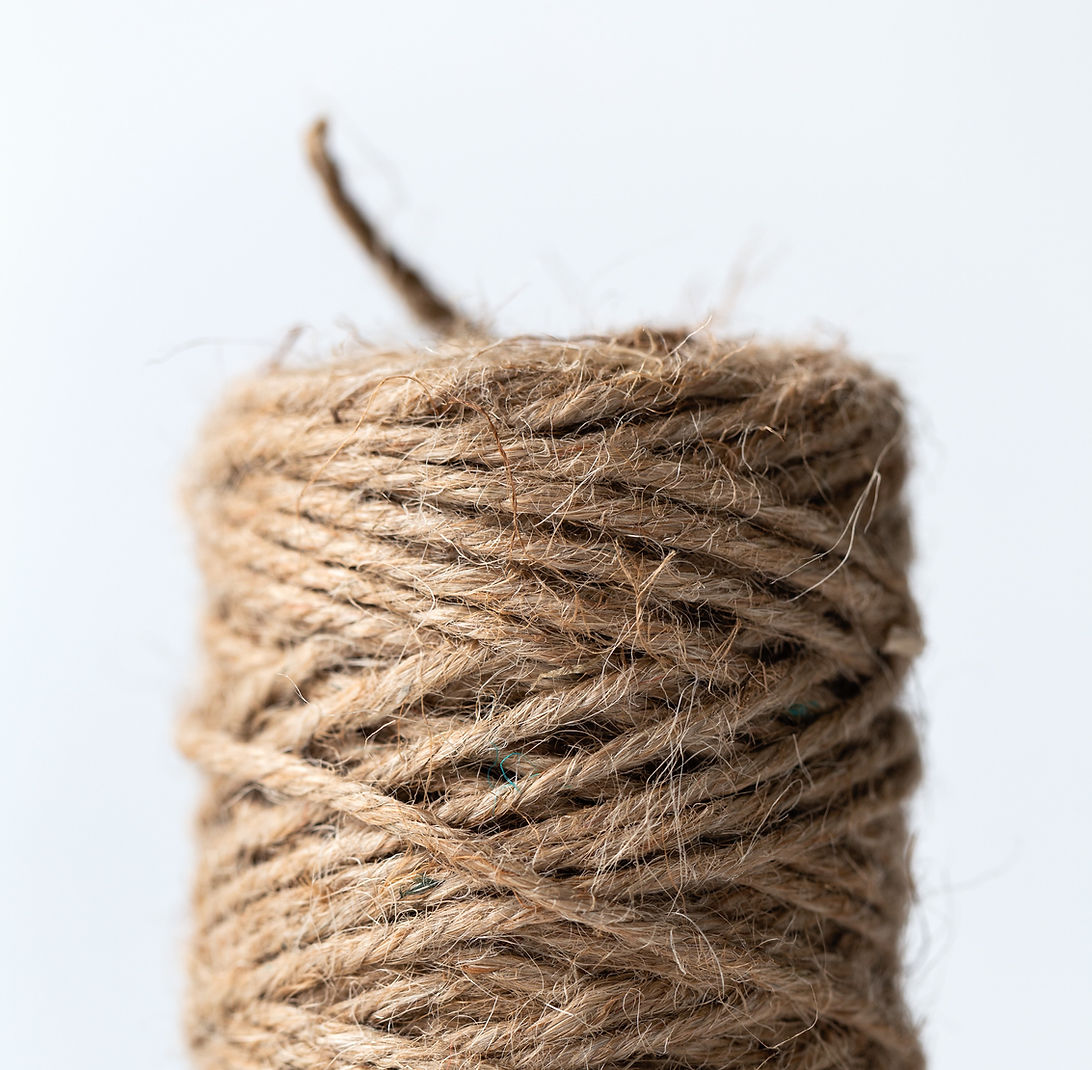
Rope. Sturdy polyester
 Riverview Arts