https://yahoo.com/wk-read#:~:text=https://botanicalcolors.com/mordant%2Dmonday%2Da%2Drainbow%2Dcompilation/https://yahoo.com/wk-read#:~:text=https://botanicalcolors.com/mordant%2Dmonday%2Da%2Drainbow%2Dcompilation/
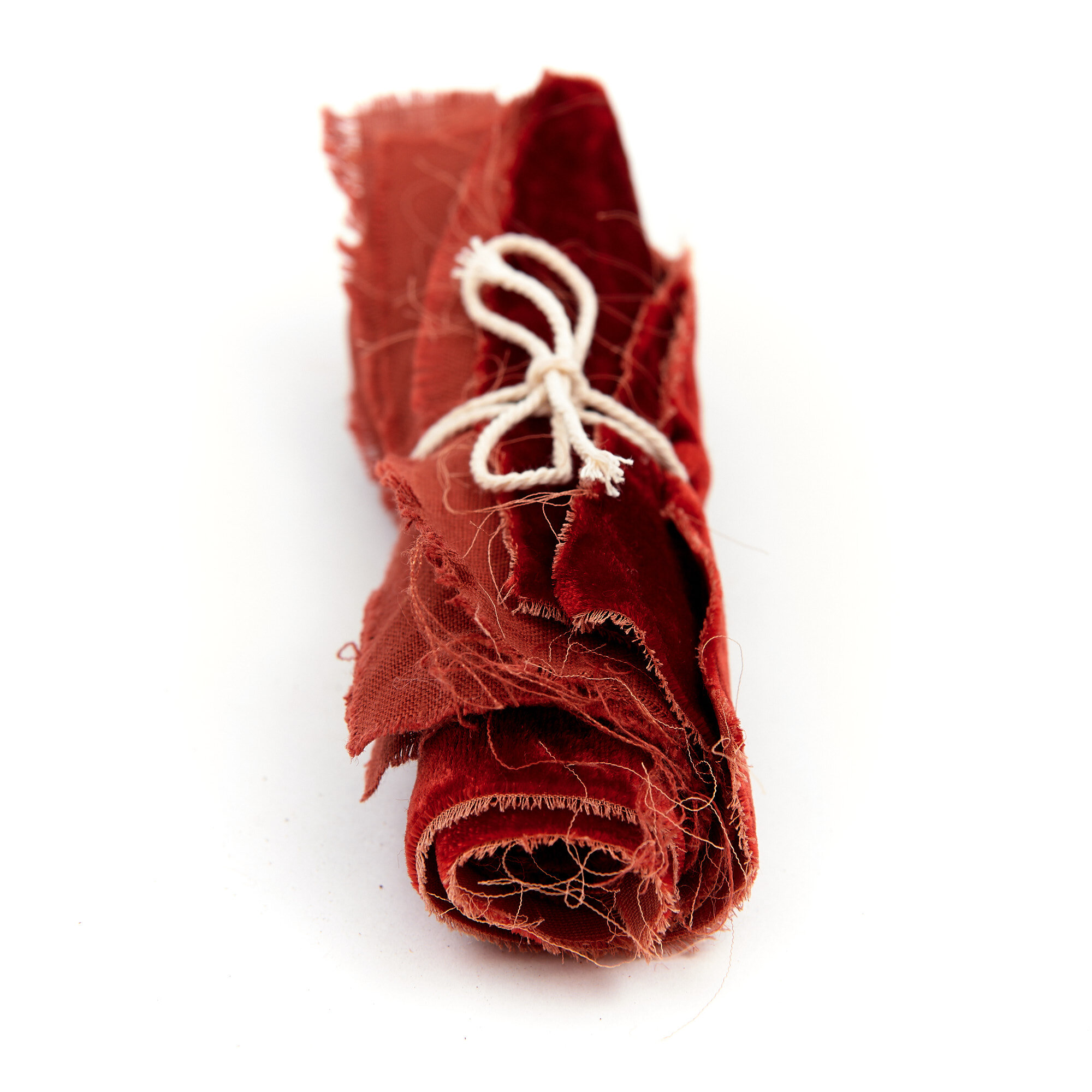
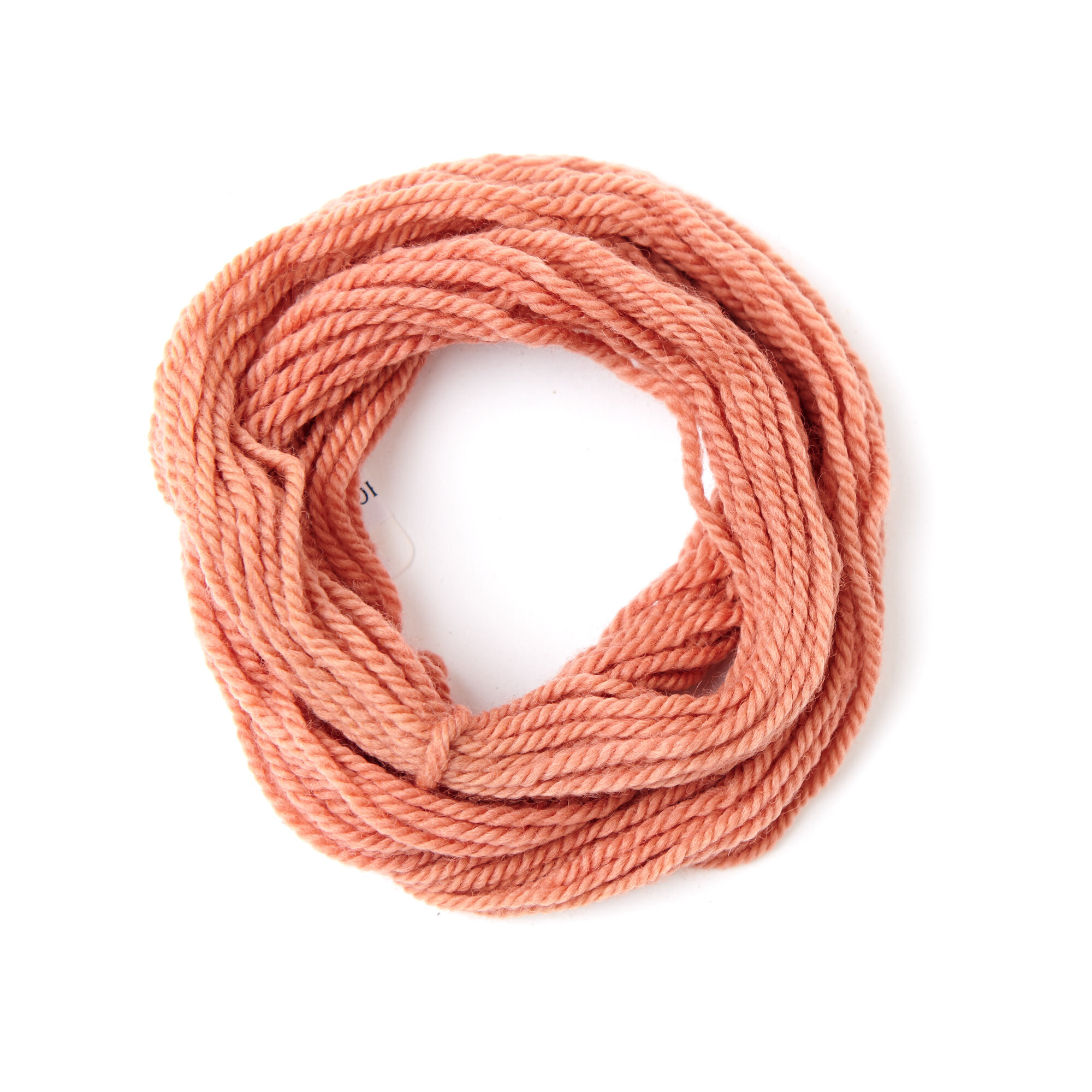
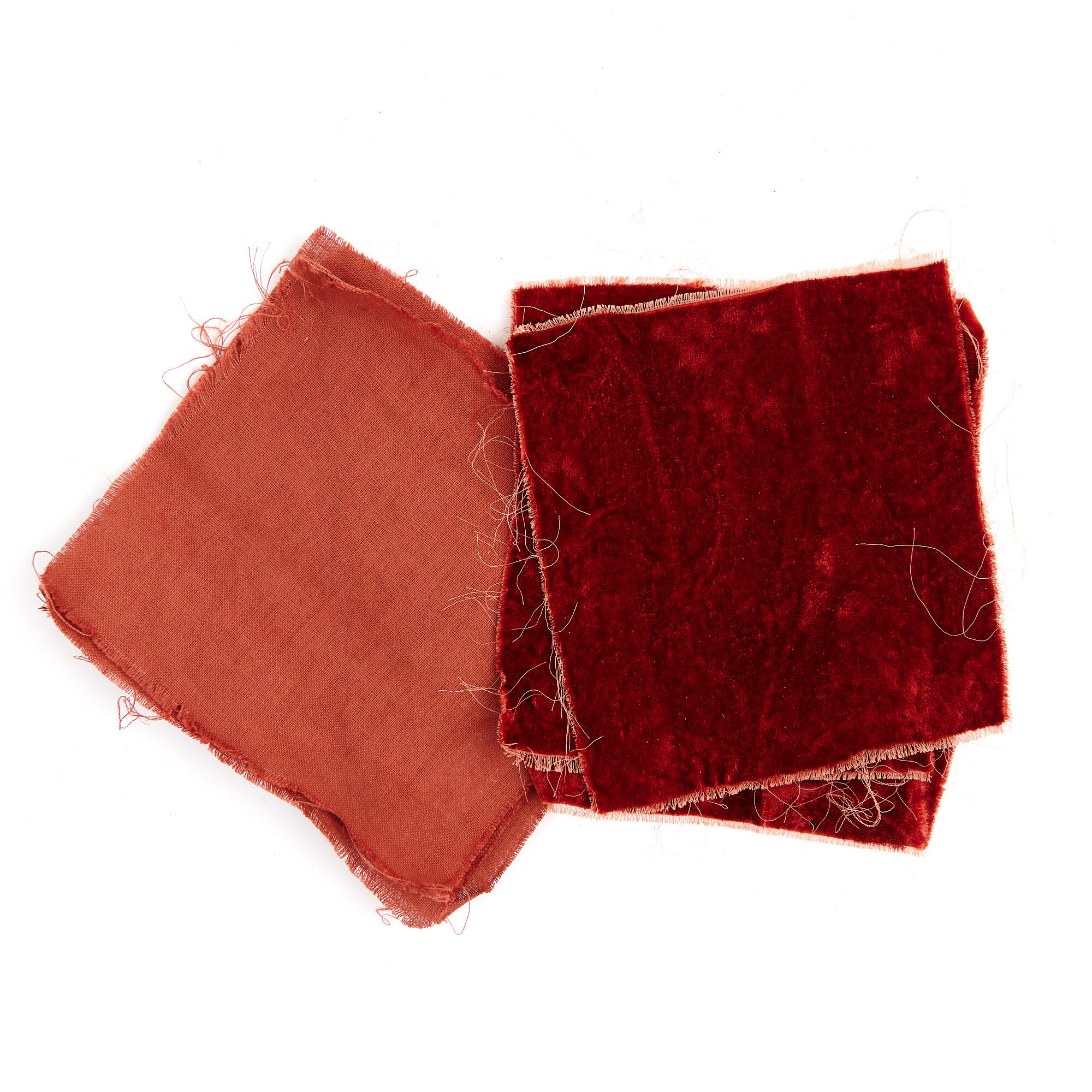
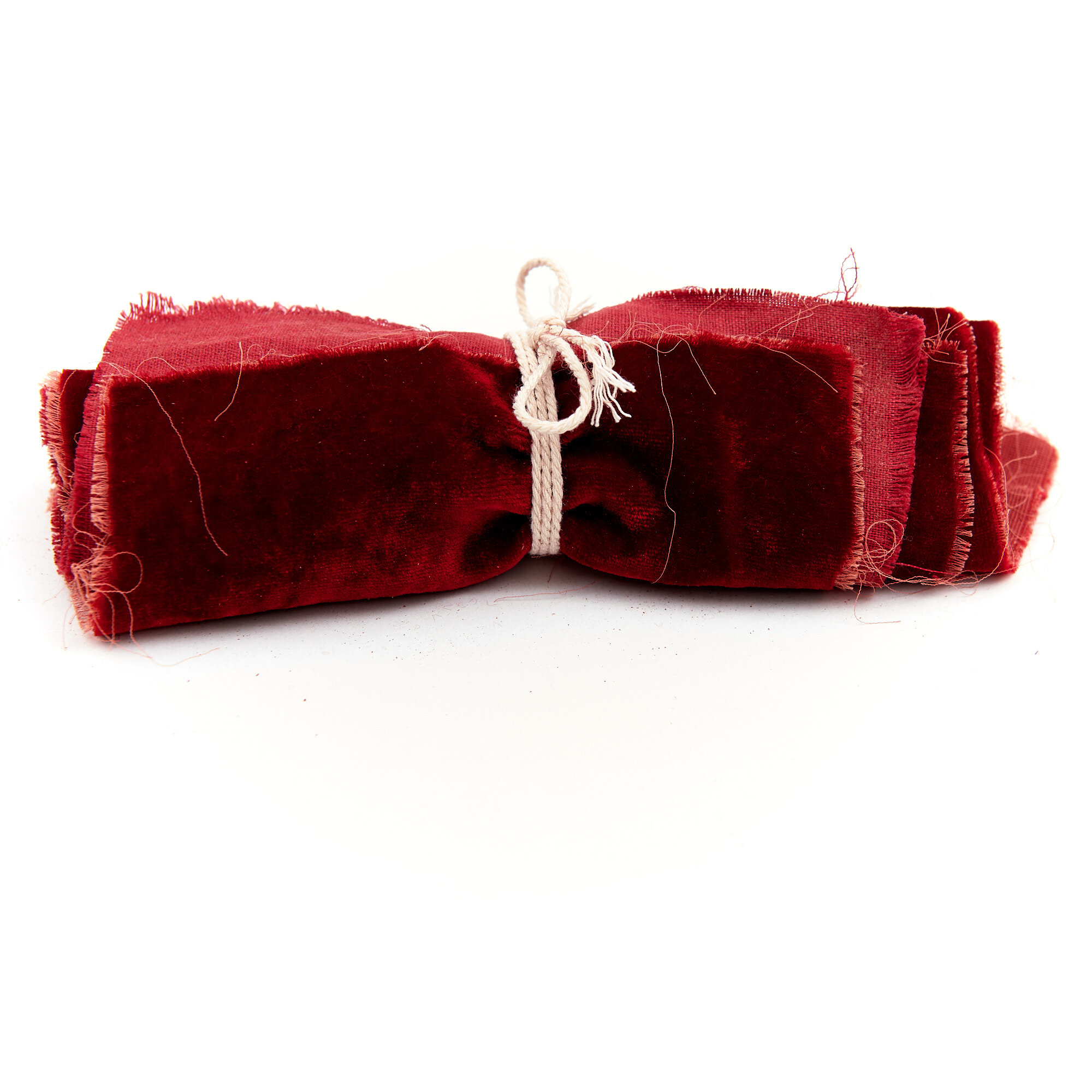
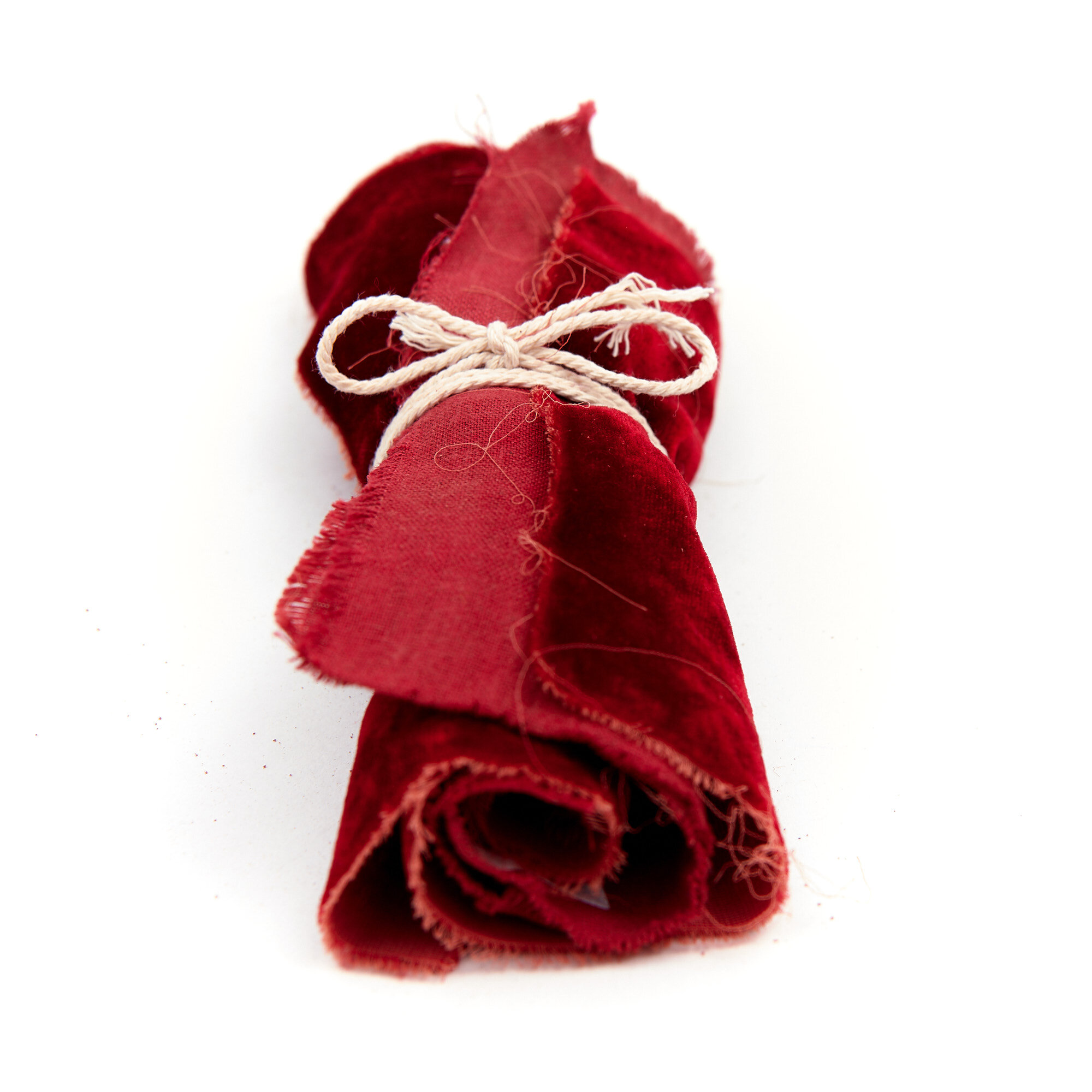
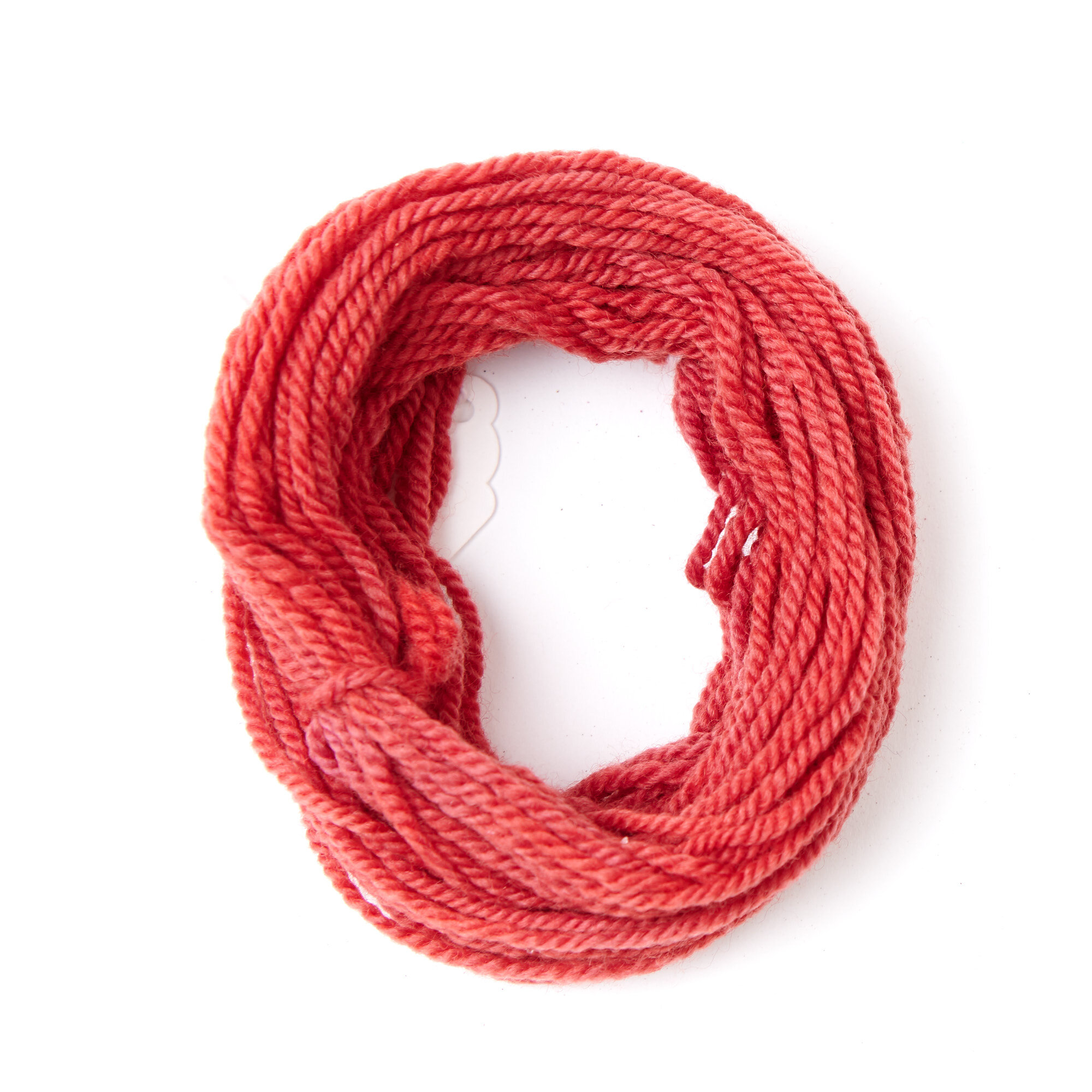
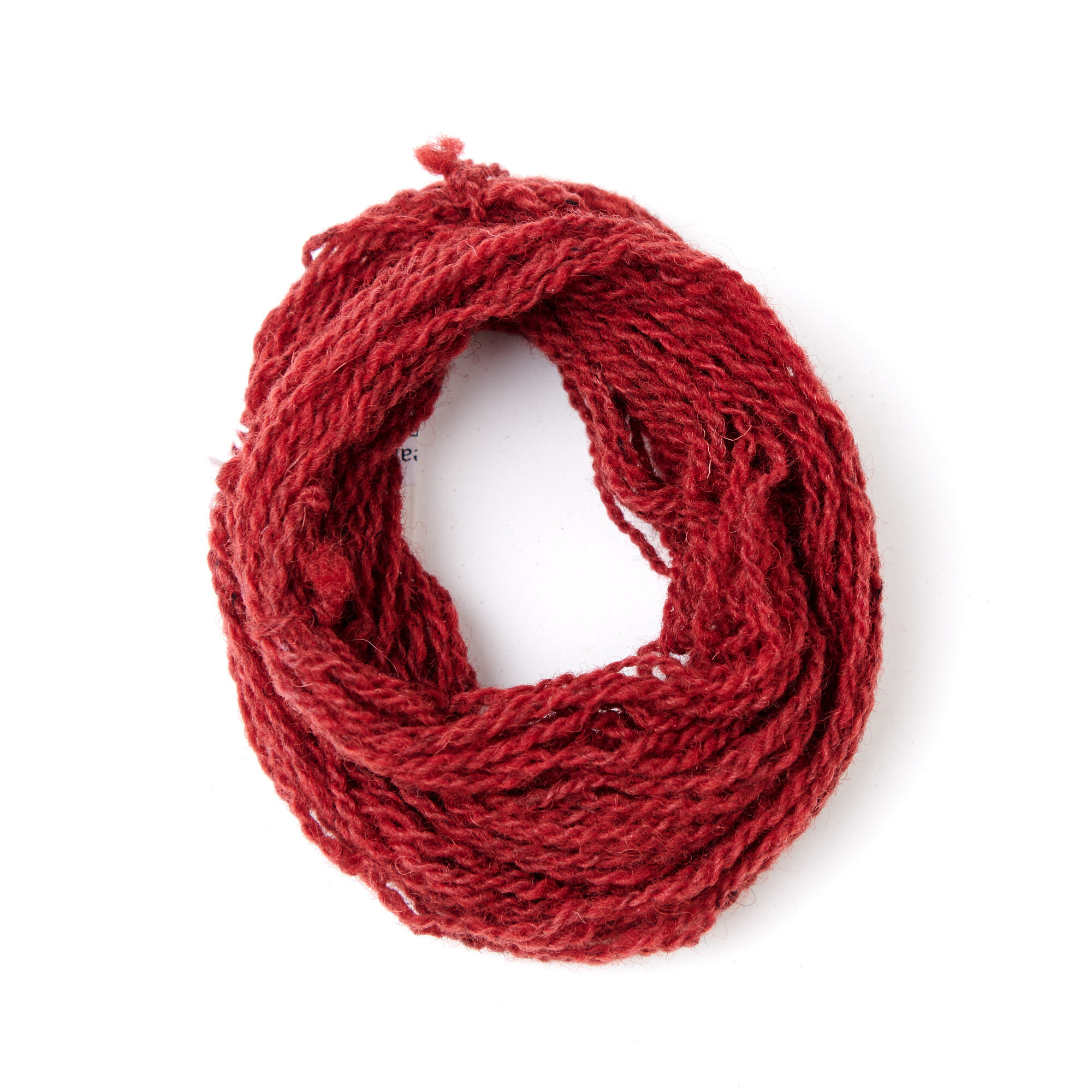
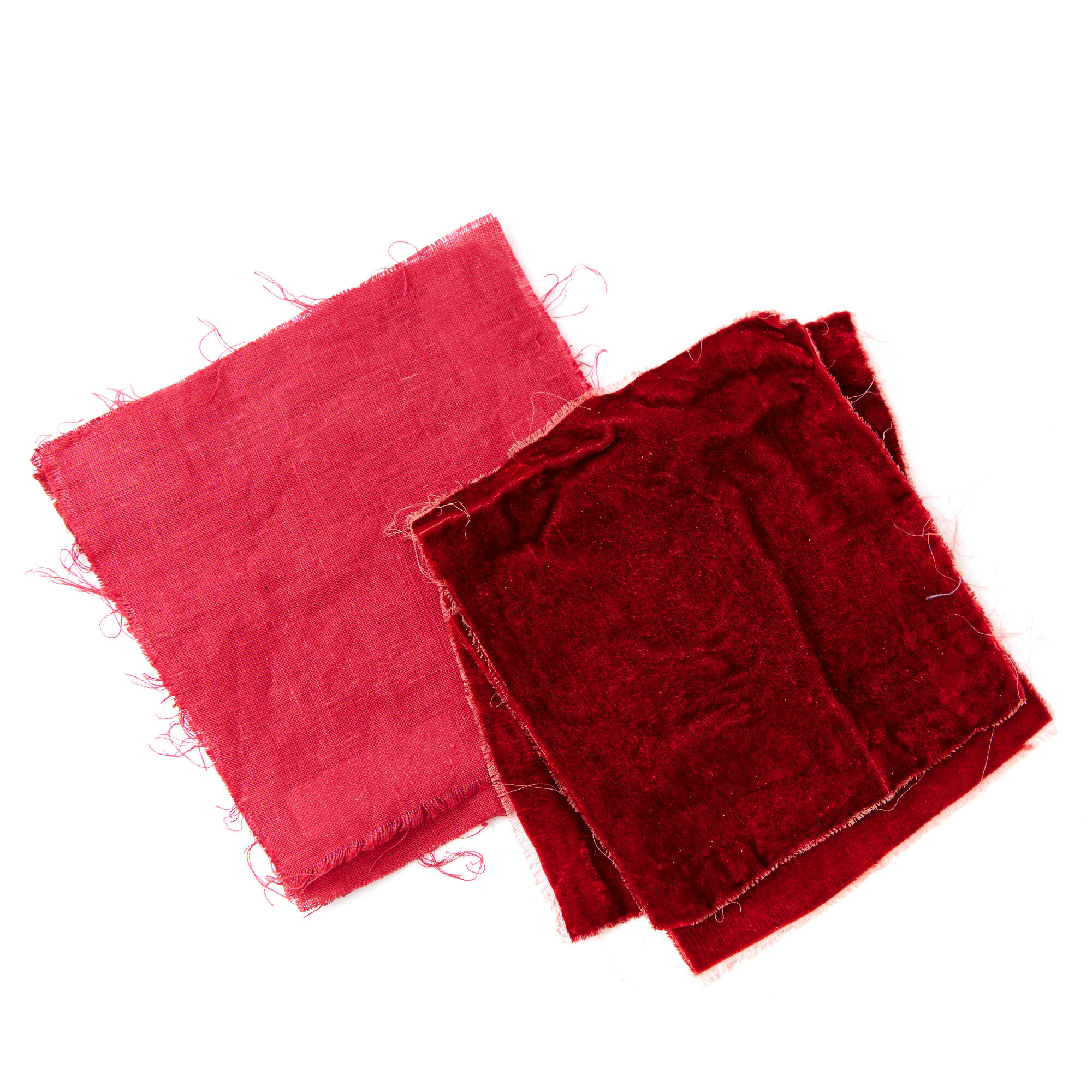
Our madder extract will produce pale pink and peach shades all the way through a deep, wine-colored red. Madder extract dyes to its deepest colors with an alum mordant and the addition of calcium carbonate (chalk). If you add a mild acid to your dyebath, such as Cream of Tartar, you will create a soft orange shade. 50g of madder extract will dye approximately 750g of fiber (1.65 pounds) to a dark red shade. For more detailed instructions, please visit our page on natural dye extracts.
Madder is a renewable resource and has a positive CO2 footprint. This professional-grade finely powdered madder root will give deep, perfect reds on wool and silk when used at 50-100%WOF. Exhaust baths and different mordants produce turkey reds, mulberry, orange-red, and terra cotta, and in combination with other dyes and dyeing procedures can yield crimson, purple, and near black with indigo. Use leftover madder dye baths to feed your organic indigo vat. Mordanting is advised as follows;Protein - 20% WOF Potassium Aluminium Cellulose - 10% WOF Aluminium Acetate. Active dye components; Alizarin and purpurin.Read more about anthraquinones here.Securely packed in a re-sealable zip bag for easy use and storage Use; Soak the powder in cold water for a few hours. Slowly heat hard water with the dye paste to 60ºC and keep for 1.3 hours. Let cool down. The dye is now ready for use. Always soak bark and roots overnight before heating. Use a dye bag when dyeing wool or the bits will get stuck in the fibers. Use alum mordant at 24% for the best results. Heat slowly to below a 60-80ºC, boiling may dull colors.
Madder
RUBIA TINCTORIUM & RUBIA CORDIFOLIA
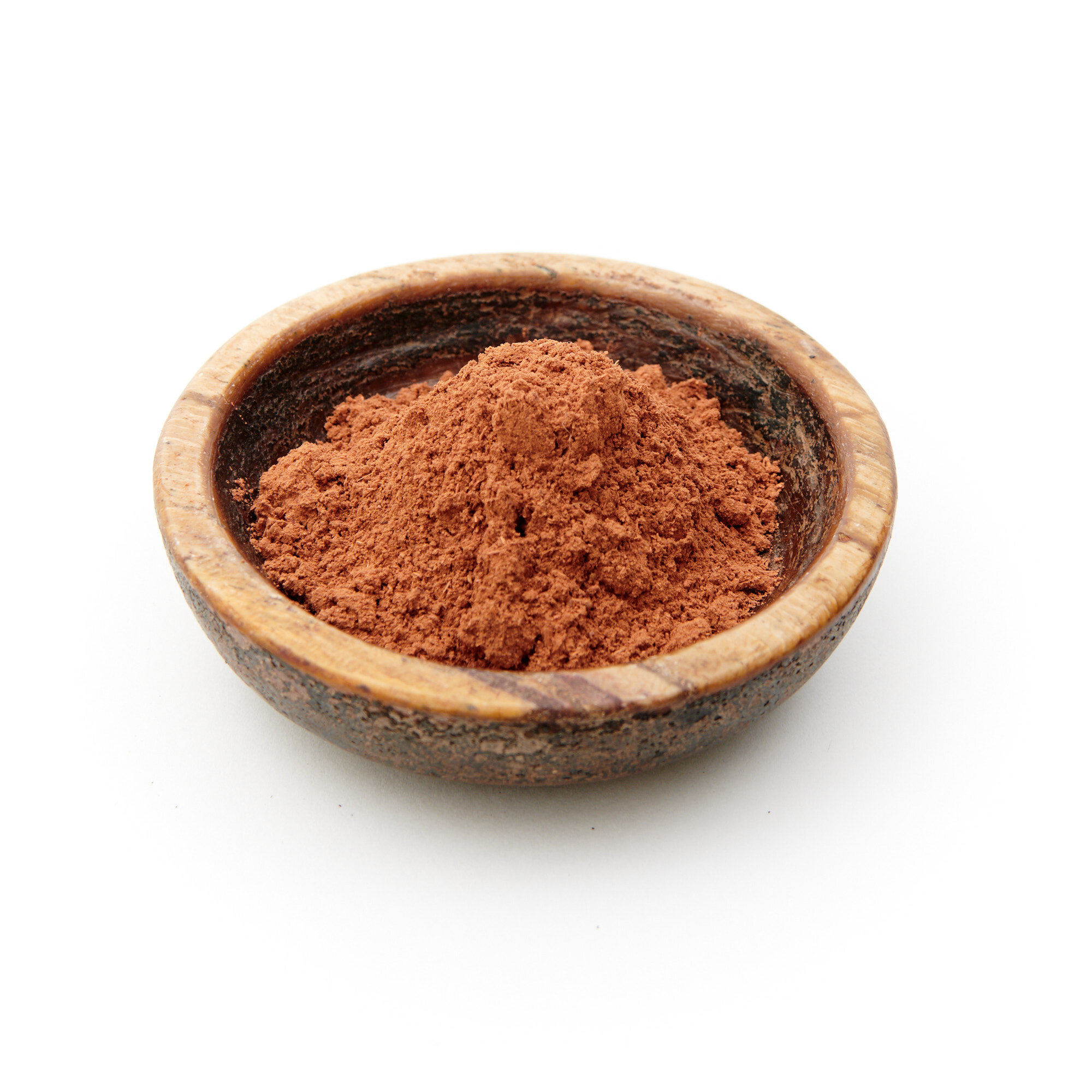
Madder – We carry two types of madder Rubia tinctorum (Dyer’s madder) and Rubia cordifolia (Indian madder). We also carry an extract named Madder Rich. Madder is one of the oldest known dyestuffs. It is used to produce turkey reds, mulberry, orange-red, and terracotta. In combination with other dyes madder can give crimson, purple, rust, browns, and near blacks. Madder is cultivated throughout India, south east Asia, Turkey, Europe, south China, parts of Africa, Australia and Japan. Madder is a complex dyestuff containing many colourants. By manipulating mordanting, pH, and temperature a range of shades can be obtained. There are many historic recipes including one from Turkey which brings out the purpurin from madder resulting in a purple.
See the MAIWA GUIDE TO NATURAL DYES
Mordanting: Use alum mordant at 15% WOF for protein fibres. For cellulose, first mordant with tannin at 8% WOF, then either 1) use alum at 15% with soda ash at 2% or 2) use aluminum acetate at 8%. For deep brick reds on cellulose choose the aluminum acetate at 8%.
Dyeing with the extract: Use at 3-8% WOF for a medium depth of shade. To achieve reds and avoid browns keep the dyebath under 180°F (82°C).
Dyeing with the powdered roots: Madder is dyed at 35-100% WOF for a medium to dark depth of shade. Madder develops to its deepest and richest reds in hard water – water containing calcium and magnesium is ideal. If the water is soft add calcium carbonate (a single Tum’s tablet to 4 litres of water works well). Add dye material to dye pot and cover with water. Bring up to about 60ºC (140ºF) and hold for an hour. Add fibres and continue cooking for another 1-2 hours.
Rubia tinctorium Alizarin is the primary dye molecule, it gives the famous warm Turkey red colour. Also present are munjistin, purpurin, and a multitude of yellows and browns. For clear reds of rubia tinctorium do not let the temperature go above 72ºC (160ºF). At higher temperatures the browns of this madder plant come out and dull the colour.
Rubia cordifolia Munjistin is the primary dye molecule, it gives the famous reds found in Indian chintz and painted cottons. Also present in the roots are small quantities of alizarin, purpurin, as well as many yellows and browns. Rubia cordifolia is not as affected by high temperature. The madder dyebath can be reused two or three times for lighter shades.
Options: Madder, in combination with cochineal yields a true red, with iron yields garnet, bright orange with alum and cream of tartar, brick red with alum mordant and a higher heat (cordifolia only), the addition of acetic acid or vinegar plus iron will push the colour to a rich brownish-purple.
Note: Spent madder pulp may be used as a reducing agent for an indigo vat (see our indigo instructions).
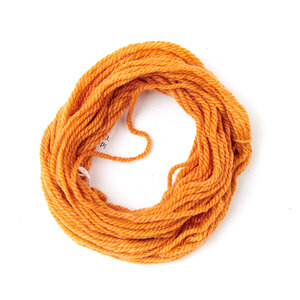
Below: Madder 100% WOF
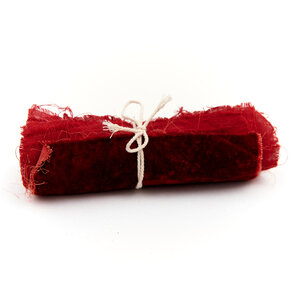

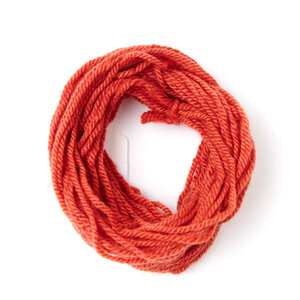
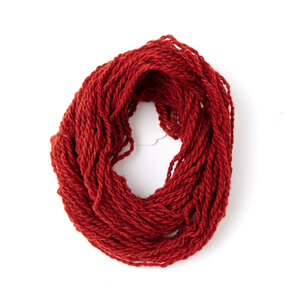
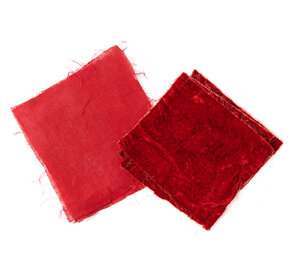
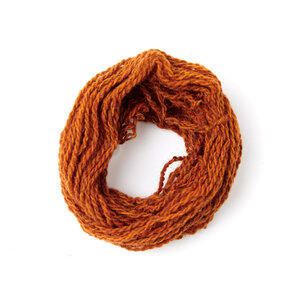
Below: Madder 20% WOF and Cutch 50% WOF
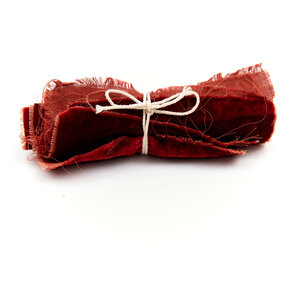
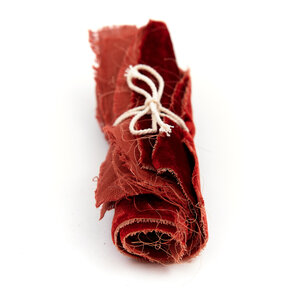
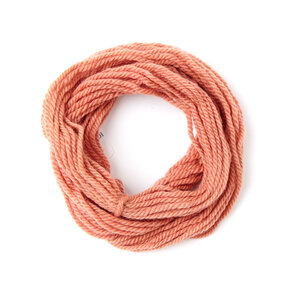
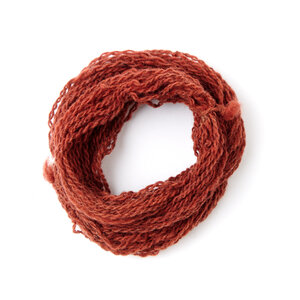
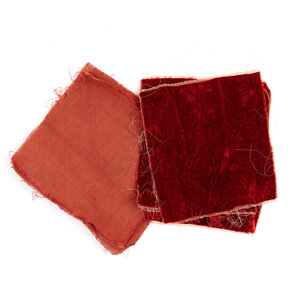
Below: Madder 30% WOF and Cochineal 10% WOF
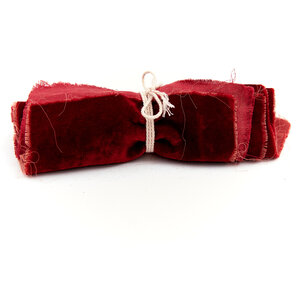
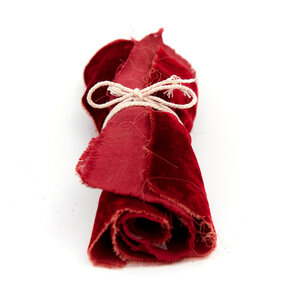

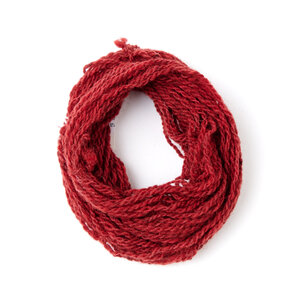
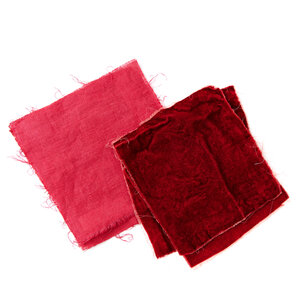
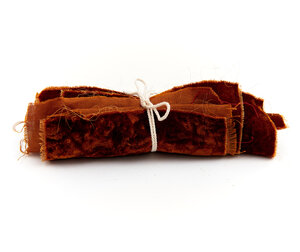
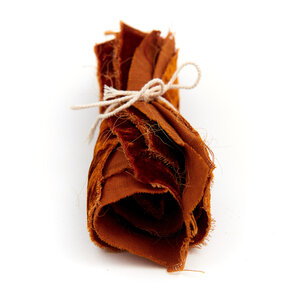
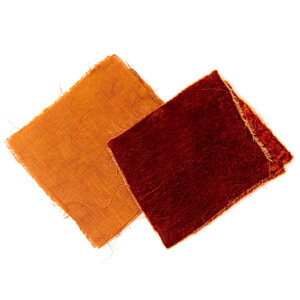
Below: Madder 10% WOF and Marigold 50% WOF
 Riverview Arts