WANT TO DO BUTTERFLY
https://youtube.com/shorts/aNnYF8u8TfM?si=NN_EaWG-5KdzhJ6w
cyanotype
cyanotype. —Solar fast first layer.Dry.Cyanosolution second. Dry.Plants. Spray vodka and vinegret
Step #1; Bleach Print
The bleach bath (Solution Carbonate solution) destroys the blue pigment by dissolving away the ferrocyanide ion, leaving behind a pale yellow image made of ferric hydroxide. Prussian blue pigment is rather stable in neutral or acidic environments, but it is quickly decomposed (hydrolyzed) by the presence of alkaline materials (ammonia, sodium carbonate) forming iron (III) hydroxide. For further variations I can imagine that partial bleaching allows even more interesting results.
Step #3: Into Tannin or dye
Step #2: Rinse
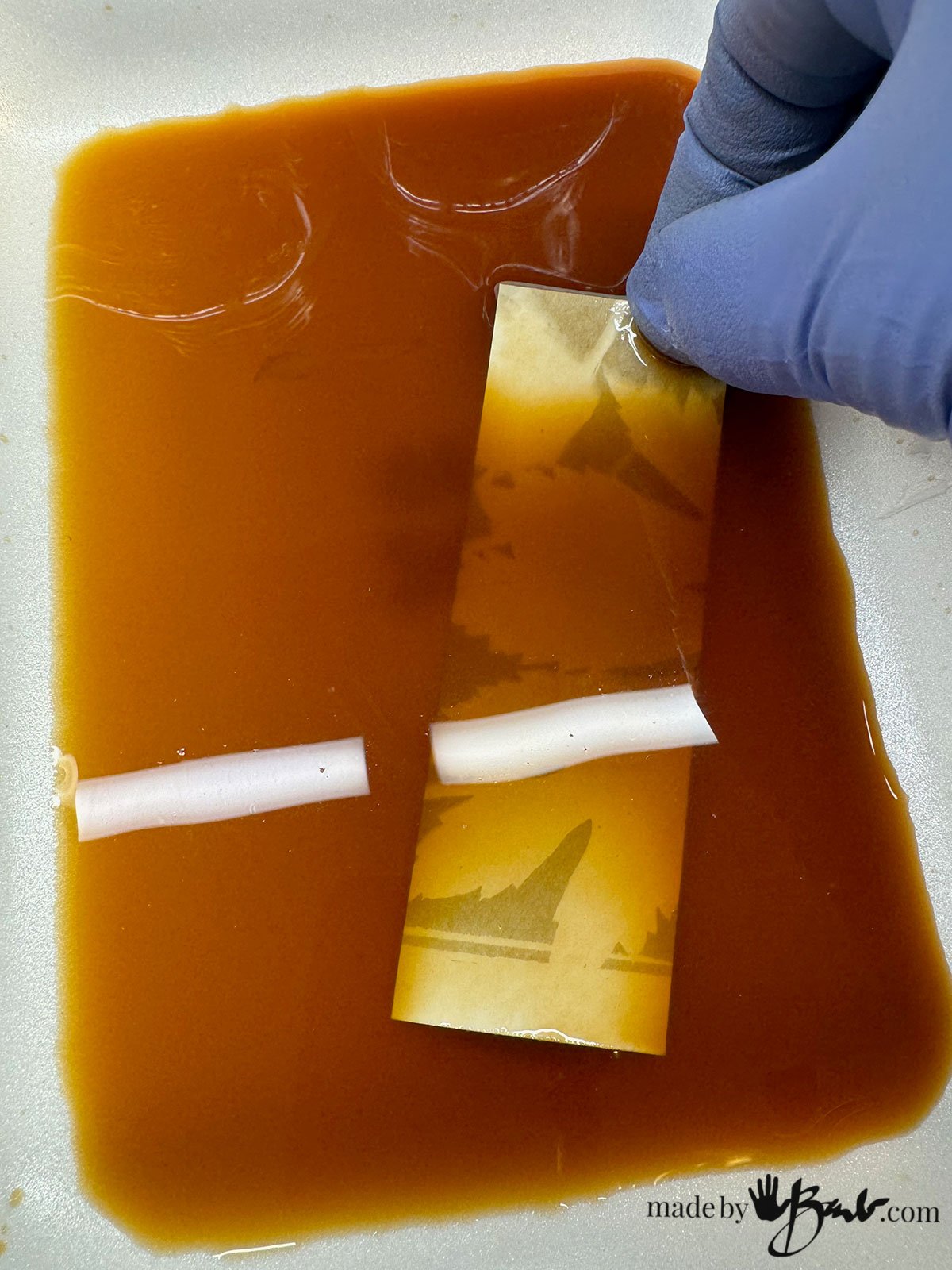
The blue is gone but I’m excited to see how this remaining yellow/orange will behave with the tannins. Make sure to rinse away any of the bleaching agent in water.
The first bleaching steps are the same for all tannins. The next step is the same for all the tannins. Place the strip into the tannin making sure to watch carefully. The reaction of the leftover iron with the tannins starts immediately. This is much like what happens in the world of Eco printing where the details of the leaves print when using iron as a mordant.
Each of the tannins give a different colour toning. Some teas tend to be more of a warm colour and other tannin has a somewhat purple shift. Tannins and tannic acid are found in many natural found specimens. Oak galls, (gallic acid) tree bark, leaves, seeds, cones or even wood. Some have more colour intensity than others which is the magic I enjoy
indigo
https://riverviewarts.ca/jane-collender/ ——idea on lines and circles…maybe some reíste…
CRÉATE A HOLDER ——for petal indigo….something that will hold the triangular folded material partway down pail….maybe needs to have flex height….needs to attach to triangle shapes holding material…material width can vary… material is NOT wetted out before hand…
the snowflake is similar….¿ /maybe more spectacular?
TRY DYING A FABRIC WITH TUCKS,,,, HOW DO THEY DIIFER, IF THEY DO..https://youtu.be/sNpD0-puguY?si=GMjq609hgF45I9gL
DYES
https://search.app/vttnRQpnF1doFV7fA
USE OATMEAL TO CREATE PATTERNS
RESISTSb- corn dextrose
https://search.app/oKR2iUJsZrTLCsUEA
Iron changing dye
When printing with natural dyes we recommend changing ferrous sulfate to ferrous acetate to avoid bleeding and ferrous transfer (the migration of iron).
Homemade Ferrous Acetate
5 g ferrous sulfate
100 ml vinegar
3 g lime (calcium hydroxide)
Combine the above ingredients in a plastic container and stir well. If thickening is required, weigh the amount of ferrous acetate you wish to thicken and add 1% of guar gum.
Ferrous acetate needs to be fixed. We use chalk (calcium carbonate) 50g in 5 litres of warm water. Once your ferrous acetate is fully dry dip it into this solution. This solution may be kept and reused again and again. Generally you may refresh with 50 g of chalk after each 10 kg of fabric. Full instructions are given in the next post.
https://www.clothroads.com/going-green-natural-dyes-shibori/
Cochineal Bugs 8% WOF with 6% cream of tartar — pink
USE CARROT TOPS AS A PRINT ON A BLOUSE—-
 Riverview Arts